Kantar calls it Treatonomics. Small rewards people grant themselves to get through the day. In its annual trend report it appears as a defining pattern in contemporary consumer behaviour. The term describes how those small, everyday rewards gain weight for people working their way through years of economic uncertainty and watching the traditional life milestones fall away.
What stands out most is the tone. The report is largely concerned with AI, systems and optimisation, and Treatonomics is one of the few trends that starts from lived experience rather than from technology or media. It describes a shift in how people cope.
At its core, Treatonomics is about spending differently. Less oriented towards aspiration, more towards the emotional balance of the moment. Small purchases, minor upgrades, momentary indulgences. They don't signal progress. They provide relief.
The lipstick effect
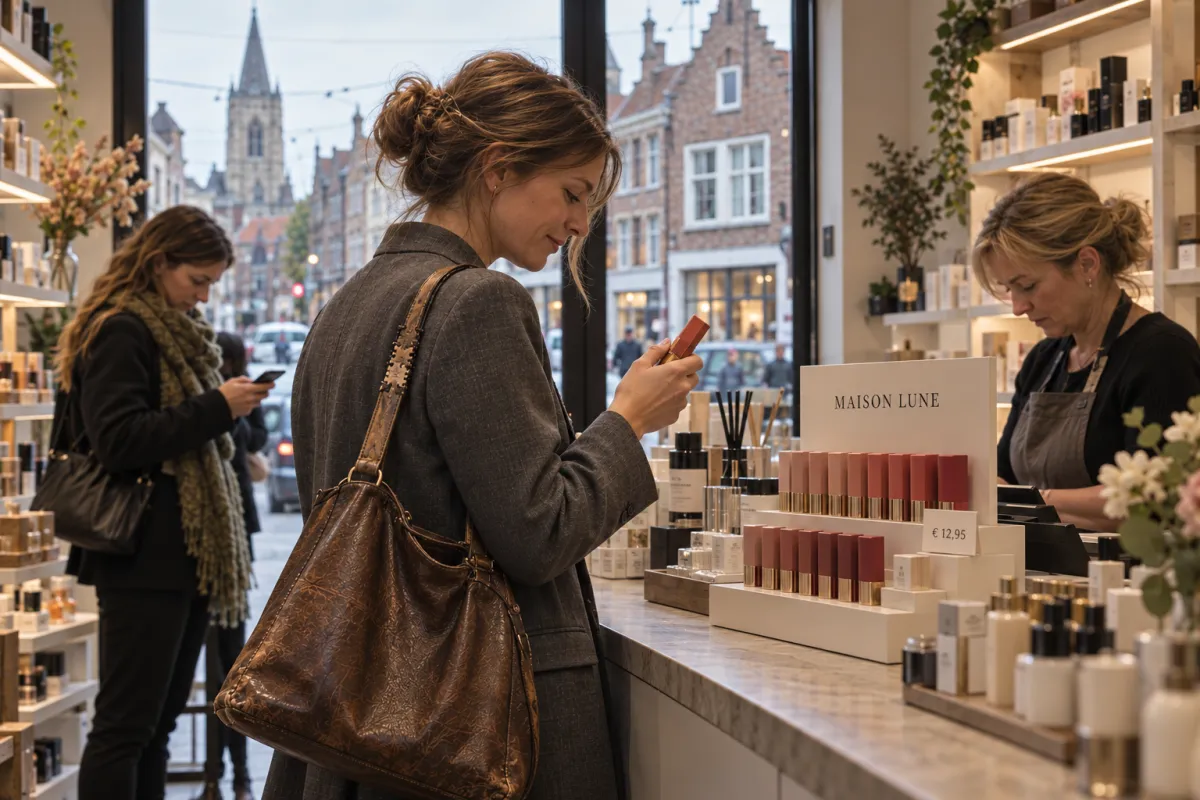
The logic behind this behaviour isn't new. In economic theory it already has a name: the lipstick effect. When financial pressure rises, consumers cut back on large discretionary purchases and keep buying small luxuries. A lipstick survives when a handbag doesn't.
For a long time this was treated as a marginal phenomenon. A psychological footnote in times of crisis. A way for consumers to preserve a sense of normalcy when larger forms of consumption move out of reach.
And that's the point: it was never about vanity. It was about retaining the ability to choose something pleasurable while the options narrow.
From exception to pattern
What Kantar observes with Treatonomics is that this logic has moved from the margins to the centre. The lipstick effect has stopped being a situational response to an acute downturn. It's embedded in everyday behaviour.
That is why the phrase “the lipstick effect on steroids” matters. The treats haven't grown bigger, they've grown more frequent. People lean on these moments more consistently.
The future no longer organises the present the way it once did. Classic milestones have lost their coordinating power. In their absence, people author smaller moments of their own, moments that make the days feel manageable. A treat then works less as a reward and more as a stabiliser.
From here the question shifts. What does this change for brands working in a landscape where relief has become worth more than aspiration?
What this changes for brands
In a treat-driven economy, competition shifts. Brands compete less on identity and more on role. Less on promise and more on presence. The question becomes when they are allowed to matter.
This puts traditional brand logic under pressure. Grand narratives lose traction when decisions happen in brief, personal moments. Friction does more damage than a lack of differentiation. One minor obstacle is enough to push a brand out of the moment it might have served.
Strategically, the emphasis moves from storytelling to situational relevance. Not every interaction needs to build meaning. Some moments only require that a brand stays out of the way.
The line brands cannot cross
Treatonomics is fragile. The mechanism collapses the moment a small reward feels engineered rather than self-authorised. When brands push treats instead of making space for them, relief turns into resistance.
The line between enabling and exploiting is thin, and it's felt sharply. People grant themselves treats. Being guided there is another matter. Brands that ignore this undermine the very behaviour they want to benefit from.
This one won't blow over
Treatonomics isn't asking for an activation. It's a correction in how people structure their days when the future stops pointing anywhere. A shift that reveals how strategically important the everyday has become.
What brands do with that insight is open. But the idea that small moments now carry more weight than big promises is hard to ignore.
And perhaps that is where marketing has to start again: with today. How people are getting through it says more than where they say they want to go.